

Building Smarter
Futures Together
WHAT ARE POLYBLOCKS
Polyblock ICFS (Insulated Concrete Forms) are a building material made of foam blocks that are filled with concrete to create a solid wall structure. They provide excellent insulation, energy efficiency, soundproofing, and durability.
Polyblock ICFs are a smart, sustainable, and cost-effective alternative to traditional building methods. They offer a comfortable living environment and protect homes from extreme weather conditions and natural disasters. With ICFs, you can build a high-performance home that is both smart and resilient

How Polyblock ICFs Work

Foundation
Excavate and pour a concrete footing around the perimeter of the building site.

Walls
Stack the interlocking ICF blocks to create the exterior and interior walls of the house.

Reinforcement
Place steel reinforcement bars (rebar) inside the hollow cores of the ICF blocks.
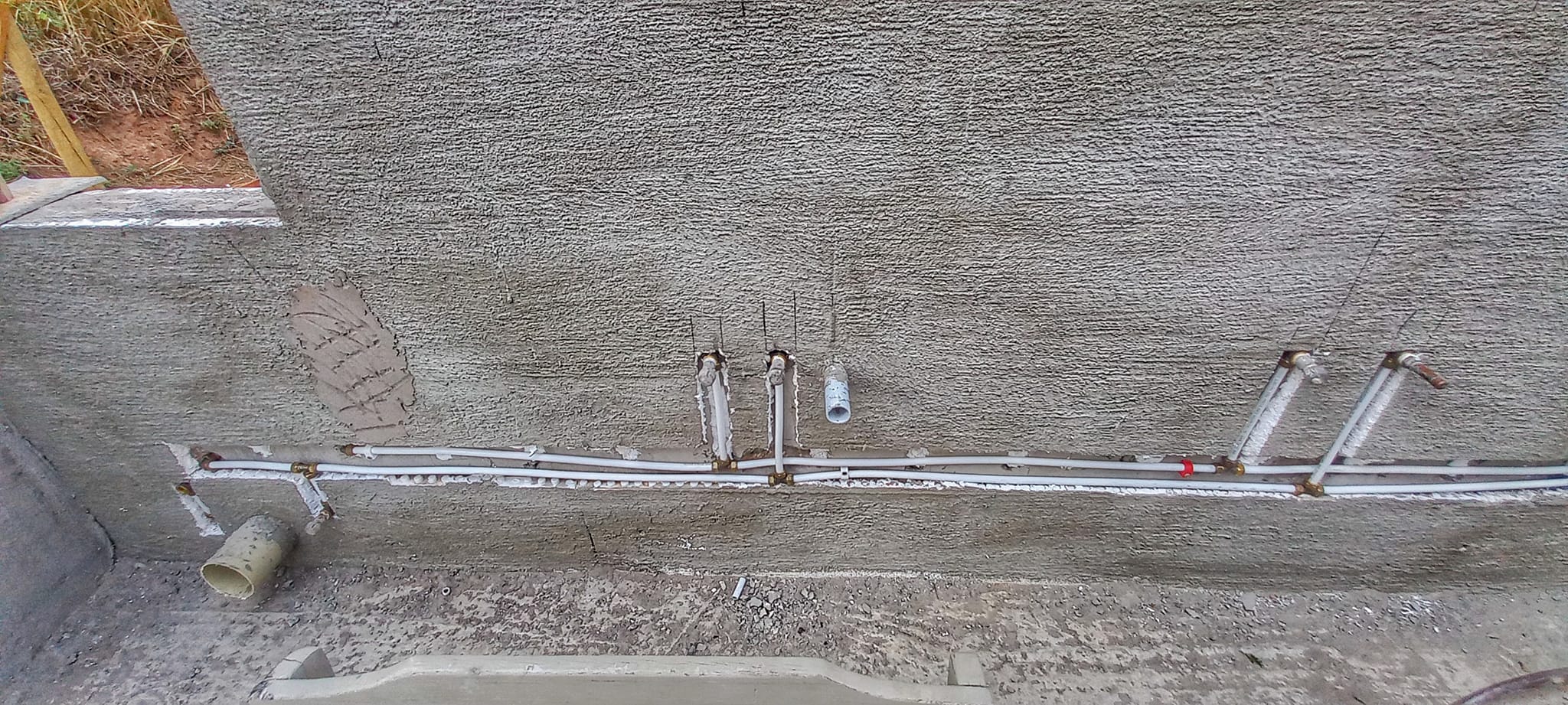
Plumbing & Electrical
Install plumbing and electrical lines within the walls before pouring the concrete.
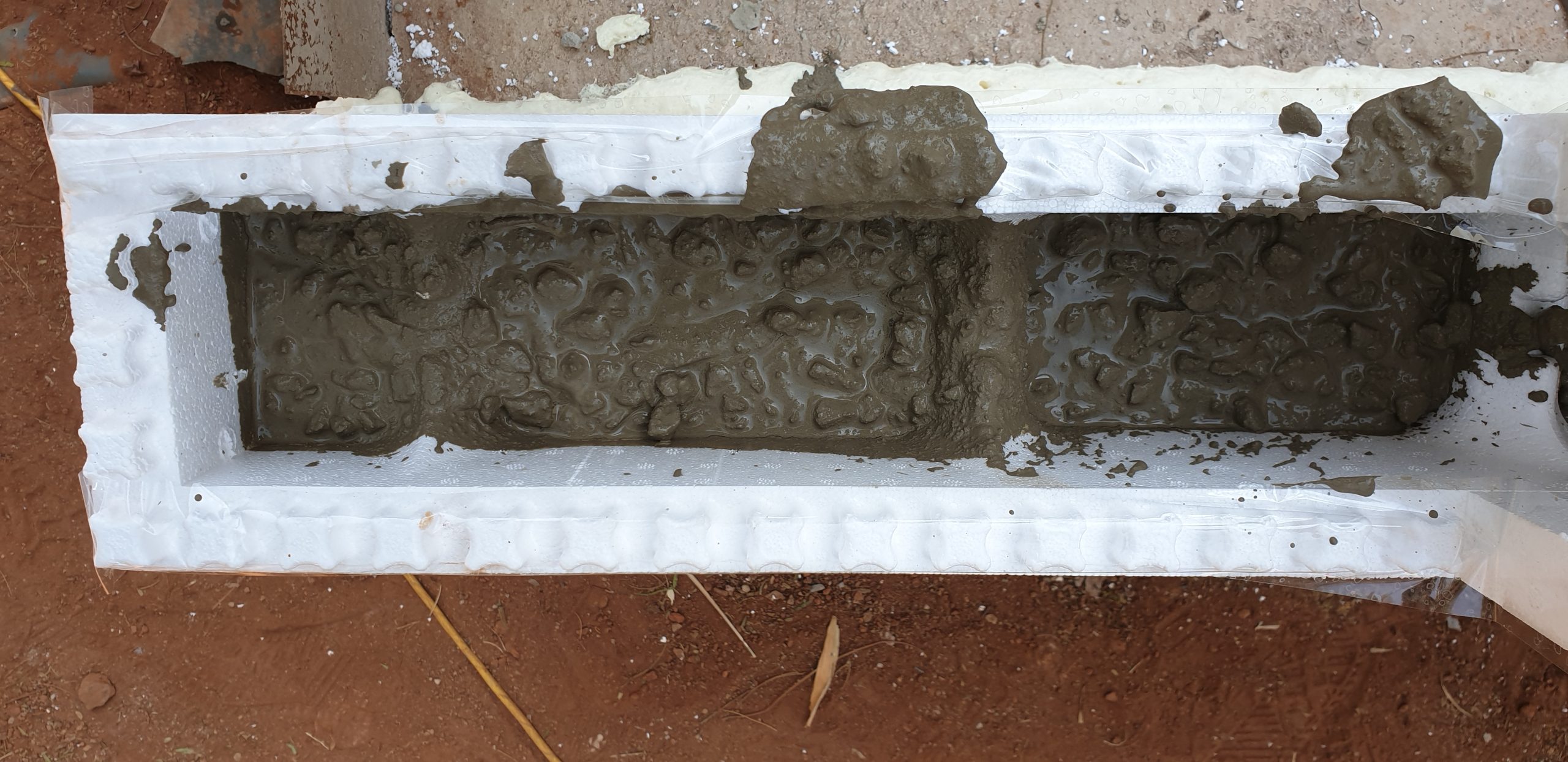
Concrete
Once the ICF blocks are in place, concrete is poured into the hollow cores to create a solid, monolithic wall structure.

Roofing
After the walls are complete, install the roof and finish the interior and exterior of the house
Why Choose Polyblock ICFs
Building with insulated concrete forms can result in an energy-efficient, disaster-resistant, soundproof, and quickly constructed building that offers design flexibility. These benefits make ICFs an excellent choice for those seeking to create a sustainable and long-lasting structure.
What are insulated concrete forms (ICFs)?
ICFs are interlocking modular units made from expanded polystyrene (EPS) foam, which are filled with reinforced concrete to create a structural wall system that provides insulation, energy efficiency, and durability.
What are the benefits of using ICFs?
ICFs offer numerous benefits, including superior insulation, energy efficiency, fire resistance, noise reduction, and durability. They also provide better indoor air quality and can be used to build structures that are more resistant to natural disasters such as hurricanes, tornadoes, and earthquakes.
How are ICFs installed?
ICFs are installed by stacking and interlocking the modular units to create the desired shape and size of the structure. Once the forms are in place, they are filled with concrete, reinforced with steel, and allowed to cure.
Can ICFs be used for any type of construction project?
ICFs can be used for a wide range of construction projects, including residential, commercial, and industrial buildings. They are suitable for both above-grade and below-grade construction.
Are ICFs environmentally friendly?
ICFs are considered to be a more environmentally friendly building material than traditional construction methods because they use less energy and produce fewer greenhouse gas emissions during manufacturing and construction. They can also be recycled at the end of their useful life.
Are ICFs easy to work with?
ICFs are designed to be easy to work with and can be cut to size using standard tools. They also require fewer workers and less time to install than traditional construction methods.
Are ICF structures energy-efficient?
ICF structures are highly energy-efficient due to their superior insulation properties. They can provide up to 50% energy savings compared to traditional construction methods.
Can ICF structures be customized?
ICFs can be customized to create a wide range of architectural designs and styles. They can be finished with a variety of exterior and interior materials, including stucco, brick, stone, and drywall.
How do I maintain and repair ICF structures?
ICF structures require minimal maintenance and can be easily repaired if damaged. Any cracks or chips can be filled with concrete or foam insulation and then finished with the desired exterior material.
Are ICFs suitable for the South African climate?
ICFs can be a great choice for the South African climate, especially in areas with hot summers and cold winters. They offer excellent insulation and can help keep indoor temperatures comfortable and consistent year-round.
Can ICFs help reduce my electricity bill in South Africa?
Yes, ICFs are highly energy-efficient and can help reduce your electricity bill by up to 50%. This can be especially important in South Africa where electricity prices are high.
Can I build a house with ICFs in South Africa?
Yes, ICFs are suitable for building houses in South Africa, and can offer benefits such as energy efficiency, fire resistance, and durability. They are also suitable for a wide range of architectural styles. ICF’s are also approved by NHBRC (National Home Builders Registration Council) and Agrement South Africa.
Are ICFs earthquake-resistant in South Africa?
ICFs are known to be highly resistant to earthquakes and can be a great choice for South Africa, which is located in a seismically active area.
Can ICFs be used for low-cost housing in South Africa?
ICFs can be a good choice for low-cost housing in South Africa due to their energy efficiency, durability, and ease of construction. They can also be customized to fit the needs of the community.